1. Fuel-Efficient Driving Habits:
a. Smooth Acceleration and Deceleration: Avoid sudden acceleration and heavy braking. Gradual changes in speed are more fuel-efficient.
b. Maintain a Steady Speed: Use cruise control on highways to maintain a consistent speed, reducing the need for frequent acceleration and deceleration.
c. Reduce Idle Time: Turn off the engine when parked or waiting for an extended period. Idling consumes fuel and emits unnecessary pollutants.
d. Proper Tire Maintenance: Keep your tires properly inflated, as underinflated tires can increase fuel consumption. Regularly check tire pressure and alignment.
e. Lighten the Load: Remove unnecessary items from your vehicle's trunk to reduce weight, as excess weight can decrease fuel efficiency.
2. Hybrid and Electric Vehicles:
a. Hybrid Cars: Hybrid vehicles combine an internal combustion engine with an electric motor. They are more fuel-efficient, especially in stop-and-go traffic, as they can run on electric power alone at lower speeds.
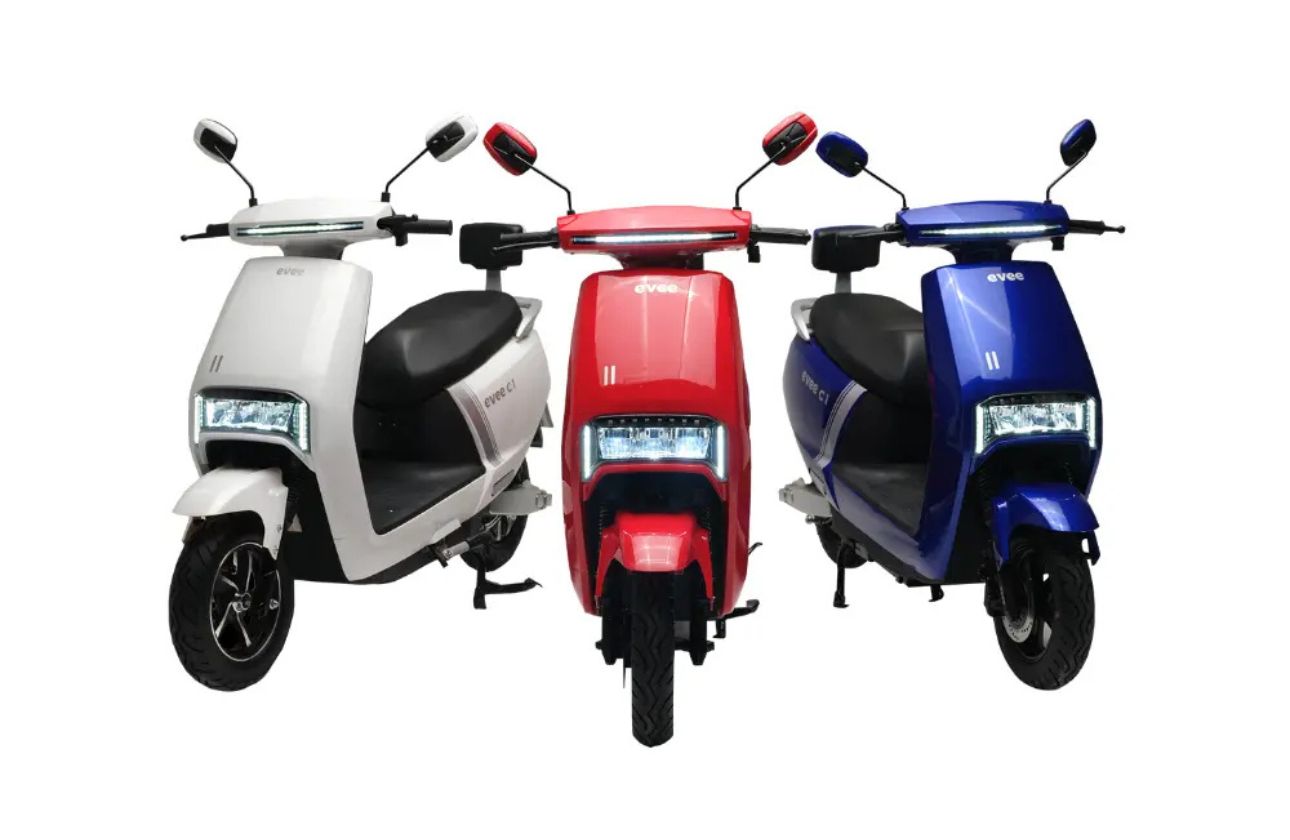
b. Electric Cars: Electric vehicles (EVs) produce zero tailpipe emissions and are highly efficient. They are charged using electricity and have become increasingly popular as more charging infrastructure is developed.
c. Plug-In Hybrids: These vehicles can run on electricity for a certain range before switching to the gasoline engine. They offer a balance between electric and hybrid technology.
d. Regenerative Braking: Many hybrids and EVs use regenerative braking to recover energy during deceleration and braking, which is then stored for later use.
3. Vehicle Maintenance:
a. Regular Maintenance: Keep your vehicle well-maintained with scheduled oil changes, air filter replacements, and tune-ups. A well-maintained vehicle operates more efficiently.
b. Use the Right Oil: Use the manufacturer-recommended motor oil to minimize friction and enhance engine performance.
c. Keep Air Filters Clean: Clogged air filters can reduce fuel efficiency. Replace or clean them as needed.
4. Alternative Transportation:
a. Carpooling: Share rides with others to reduce the number of vehicles on the road and decrease carbon emissions.
b. Public Transportation: Utilize public transportation when possible to reduce individual carbon footprints.
c. Bicycling and Walking: For short trips, consider cycling or walking as environmentally friendly alternatives.
5. Reduce A/C Usage:
a. Use A/C Wisely: Air conditioning consumes fuel. On the highway, using the windows for ventilation might be more fuel-efficient. However, at higher speeds, it's better to use A/C to reduce aerodynamic drag.
6. Eco-Friendly Routes:
a. Plan Efficient Routes: Use navigation apps or GPS systems that offer the most fuel-efficient routes, avoiding traffic and roadblocks.
7. Reduce Carbon Emissions:
a. Carbon Offsets: Consider purchasing carbon offsets to compensate for your vehicle's emissions by supporting renewable energy projects or reforestation efforts.
b. Eco-Friendly Driving Apps: Some apps can monitor your driving habits and provide real-time feedback on how to improve fuel efficiency and reduce emissions.
By adopting these fuel-efficient driving habits and considering eco-friendly vehicle options, you can significantly reduce carbon emissions and minimize your impact on the environment. Making eco-conscious choices as a driver is not only responsible but also contributes to a more sustainable and cleaner future.
Prev Article
Text-based Riddles and Brain Teasers
Next Article
Short Story Podcasts and Audio Narrations






.jpg)





Leave a Comment